SAP Joule and Microsoft Copilot are working together ever more closely. At Microsoft Ignite 2026, SAP and Microsoft showed how they are connecting their AI platforms and AI agents even further. For businesses, that means more than yet another smart assistant: AI becomes part of your day-to-day business processes. In this blog, you’ll read what’s been announced, what’s already available and how to make a small, concrete start with Ctac.
At a glance
SAP Joule brings AI to the processes and transactions in SAP. Microsoft Copilot brings it to the work you do in Microsoft 365. As of November 2026, the two work together more closely: SAP Joule Work uses Microsoft Work IQ to draw on context from Microsoft 365, and agents built in Microsoft Copilot Studio hand SAP tasks over to Joule agents via the A2A protocol. Not everything is available everywhere yet, as SAP is rolling out part of it in phases. The value only comes once your data, processes and access rights are in order. At Ctac, we bring those two worlds together as a partner of both SAP and Microsoft, always starting from the business process.
How do SAP Joule and Microsoft Copilot work together?
Microsoft Copilot helps employees write, analyse and process information in Microsoft 365. SAP Joule is SAP’s AI: it brings AI to the business processes and transactions in SAP. Both are valuable, but the real power comes when the two worlds meet.
Take a manufacturing company. An account manager receives an urgent question in Outlook from a customer about a large order. To give a proper answer, he needs to know whether the products are in stock, what the production schedule looks like and when delivery is possible. The customer communication lives in Microsoft 365, but stock levels, production schedules and orders live in SAP.
SAP Joule and Microsoft Copilot, connected
This moves AI on from a tool that supplies information to technology that actually carries out business processes.
Here’s how it works:

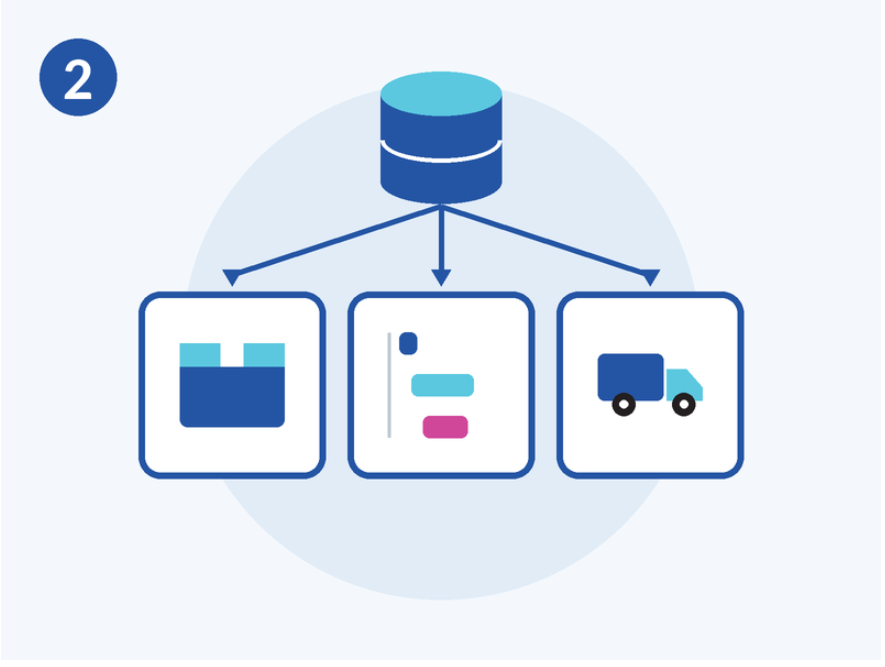

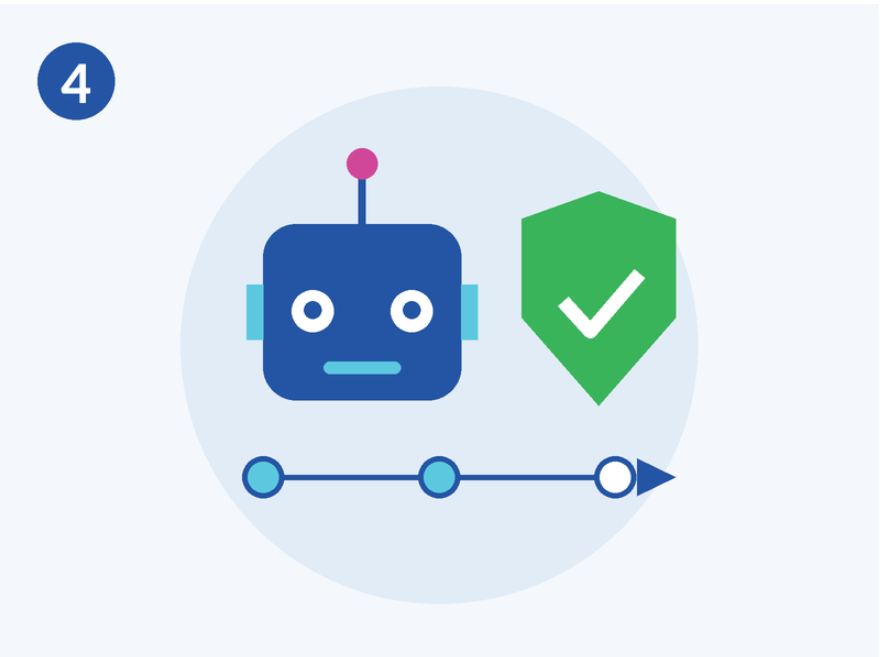
Microsoft Ignite 2026: what does it mean for your organisation in 2027?
Join our webinar on 1 December, 11:00–11:45, and find out which Ignite announcements really matter for your organisation.
Register
What did SAP and Microsoft announce around Microsoft Ignite 2026?
On 20 November 2026, SAP announced that SAP Joule Work uses Microsoft Work IQ. This lets Joule draw on context from Microsoft 365, and gives Microsoft Copilot better access to the business context and processes in SAP. SAP and Microsoft are also moving forward on data and AI agents. These aren’t standalone innovations. Together, they lay the foundation for AI that isn’t confined to a single application. As part of this is still rolling out in phases, check what’s already available in your environment for each use case. Here’s where things stand:
Where does SAP Joule with Microsoft Copilot deliver the most value?
In my view, the biggest change isn’t new AI functionality. New features arrive in quick succession. The challenge is deciding where this technology really adds value. Ask yourself three questions. Which business processes take up more time than they should? Where do errors creep in because information is scattered across different systems? And which decisions do you make faster or better when employees have reliable business information to hand?
Manufacturing, wholesale and other process-heavy sectors offer big opportunities here. For example, AI that automatically flags deviations in the production schedule, supports purchasing decisions or speeds up financial processes. That said, stay realistic. AI only delivers reliable results when the underlying data, processes and authorisations are properly set up. A smart AI agent won’t fix a badly organised business process. That’s why successful AI doesn’t start with choosing a tool, but with a clear view of your business management.
How does Ctac bring SAP Joule and Microsoft Copilot together?
The value of AI doesn’t come from your ERP system or your digital workplace alone. It comes from connecting reliable business data, employees and processes. At Ctac, we sit right at that intersection as a partner of both SAP and Microsoft. We know the business processes organisations run on SAP, and we have expertise in Microsoft 365, Azure, data, security and AI. That’s why we look beyond the technical link between SAP Joule and Microsoft Copilot.

We help you find relevant use cases, get your data ready, connect systems and deploy AI agents securely. Adoption and management are part of that too. Employees need to understand how AI supports them. And your organisation stays in control of what AI agents do, which data they use and which decisions they are allowed to make. Not from a single application, but across the entire business process.
How do you get started with SAP Joule and Microsoft Copilot?
Many organisations have already had their first experiences with AI. The question now is how to turn those experiments into lasting improvements. My advice: start small and keep it concrete.
1
Pick one process
One where you’re running into limitations today.
2
Map it out
Identify the information employees need and the tasks that lend themselves to automation.
3
Decide how it fits together
Work out how SAP, Microsoft and AI agents strengthen each other in that process.
4
Measure the result
Less manual work, shorter lead times, better decisions and happier customers.
Measure results, not the number of agents
So you don’t measure success by the number of agents or by Copilot usage, but by the results. To me, that’s the real promise of the partnership between SAP and Microsoft. In the end, it’s not about everything AI can do, but about what your organisation achieves with it.

Which process will you tackle first?
Curious where SAP Joule and Microsoft Copilot make the difference in your organisation? Book a meeting: together, we pick one process and map out what AI delivers there.


















Frequently asked questions about SAP Joule and Microsoft Copilot
Yes. SAP Joule and Microsoft 365 Copilot have a two-way integration: you start in Copilot and pull in SAP context, or start in Joule and pull in context from Microsoft 365. Since November 2026, SAP and Microsoft have been deepening that integration through Microsoft Work IQ. These new capabilities are rolling out in phases.
Microsoft Copilot is the AI assistant for work in Microsoft 365, such as email, documents and meetings. SAP Joule is SAP’s AI for business processes and transactions in SAP, such as orders, stock and finance. Together, they connect the context of everyday work with the data and processes in SAP.
Microsoft Work IQ is Microsoft’s layer that brings together context from email, meetings, documents, relationships and workflows for AI. SAP Joule Work uses Work IQ, so Joule understands not only the SAP data but also the context around a decision in Microsoft 365.
A2A (Agent2Agent) is an open protocol that lets AI agents hand tasks over to each other. Through SAP’s agent gateway, an agent built in Microsoft Copilot Studio passes SAP-specific work to a Joule agent. That means you don’t have to rebuild SAP processes in Copilot Studio.
Yes. According to Microsoft, organisations that don’t use Joule yet are already connecting Microsoft 365 Copilot to their SAP systems today, using MCP servers and Copilot skills. The best route depends on your SAP environment and the processes you want to support.
Not always. If Joule runs in the same SAP-managed cloud environment as, for example, SAP S/4HANA and SAP SuccessFactors, the connection often works without SAP Integration Suite (Cloud Integration, formerly CPI). If you’re connecting systems outside the SAP cloud, such as your own online shop, an on-premise system or applications from other vendors, you usually do need an integration layer. We determine the right architecture case by case.